Healthcare professionals and physical therapists determine the appropriate mode and intensity of a rehabilitation treadmill for each patient by following these steps:
1. Detailed assessment: The healthcare professional will undertake a detailed assessment of the patient to determine their physical condition, medical history, exercise tolerance, gait patterns, and other relevant factors that may affect rehabilitation.
2. Prescription: Based on the assessment, the healthcare professional will prescribe a plan for rehabilitation that includes exercise goals, duration, frequency, and mode (e.g., jogging, walking, stair climbing, etc.).
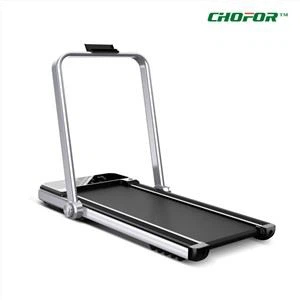
3. Treadmill selection: Based on the prescribed program, the physical therapist selects the appropriate type of rehabilitation treadmill that meets the patient's needs, taking into consideration key features such as incline, speed, and shock absorption.
4. Intensity adjustment: The physical therapist will adjust the rehabilitation treadmill's intensity by adjusting the speed and incline to match the patient's abilities and fitness level.
5. Monitoring: Throughout the rehabilitation process, the physical therapist will monitor the patient's response to exercise, making adjustments as necessary to ensure the best possible outcome. This may involve adjusting speed, incline, or duration.
Overall, the aim is to provide a safe and effective rehabilitation program tailored to the patient's needs and abilities, that will allow them to achieve their goals at a comfortable and sustainable pace.
Aiming at different patient's need, we have developed various models of rehabilitation treadmills. Please contact us to get more information.