Our Advantages
Absolute Price Advantage
As a professional manufacturer of fitness equipment with over 12 years of industry experience, we produce almost all the parts at our own factory, which save our cost and increase capacity.
Product Quality Assurance
We have formed a set of strict quality control system. From the purchase department to the delivery department, we have QC staff for every process. We support third-party inspection.
R&D Capabilities
We have 30 engineers in R&D department, responsible for the research and development of different series of products separately. We are able to develop new products together with our clients.
Rich Product Range
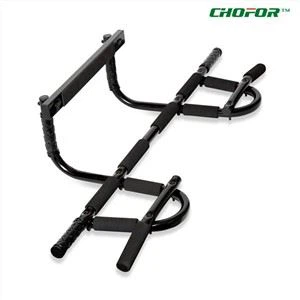
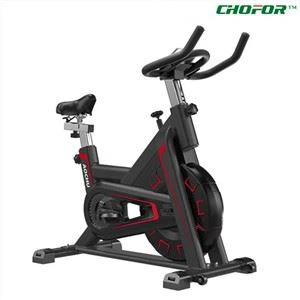
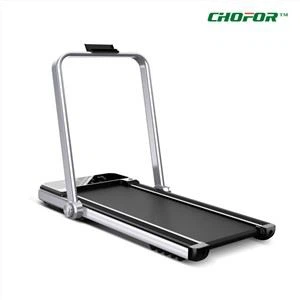
Pull up bar series, ab wheel series, trampoline series, treadmill series, spin bike series, six pack care series etc...
Strict Quality Control System
External-purchasing Parts
Our warehouse keepers are in charge of the quality for external purchasing parts. Unqualified parts will never enter production.
01
Production Process
From metalworking workshop, painting workshop to packing workshop, we have QC staff for each process.
02
Bulk Inspection
Our sales team will take bulk inspection when production is finished. They will take detailed photos and videos for our customer's confirmation.
03
Third-party Inspection is Accepted
According to our customer's demand, we will fully cooperate.
04
Product Test
To make sure quality, some of our products will undergo multiple tests and inspections.
05
-
![Small Indoor Trampoline with Handle]() Small Indoor Trampoline with HandleSmall indoor trampoline with handle will bring much fun to your kids.view more
Small Indoor Trampoline with HandleSmall indoor trampoline with handle will bring much fun to your kids.view more
Model:DF-E36D
Product dimension:36 inches
Max load:90KGS
NW/GW:7.5/8.6KGS
Packing... -
![Small Childrens Trampoline with Net]() Small Childrens Trampoline with NetSmall childrens trampoline with netview more
Small Childrens Trampoline with NetSmall childrens trampoline with netview more
Model: DF-P55
Product size: 140*30CM
Material: steel,PP mesh, ABS
Steel tube size for main frame: 25*1.5mm
Max user weight:... -
![48 Inch Trampoline For Adults]() 48 Inch Trampoline For Adults48 inch trampoline for adultsview more
48 Inch Trampoline For Adults48 inch trampoline for adultsview more
Model: DF-S8
Product size: 136*32.5cm
Handle height:4 gears adjustment from 107cm to 128cm
Steel tube size for feet: 28*2.0mm
Max... -
![Foldable Trampoline with Enclosure]() Foldable Trampoline with Enclosure48 inch foldable trampoline with enclosureview more
Foldable Trampoline with Enclosure48 inch foldable trampoline with enclosureview more
Model: DF-P048
Product size: 110x23cm
Diameter of jumping bed: 48 inch
Size of main frame steel tubes: 25*1.2mm
Spring... -
![indoor trampoline for adults with handle]() indoor trampoline for adults with handleIndoor trampoline for adults with handle has adjustable height.view more
indoor trampoline for adults with handleIndoor trampoline for adults with handle has adjustable height.view more
Model: DF-S8
Product size: 136*32.5cm
Material: steel tube, professional jumping cloth, imported elastic rope... -
![Trampoline with Ladder And Net]() Trampoline with Ladder And NetTrampoline with ladder and net Model: DF-NT016view more
Trampoline with Ladder And NetTrampoline with ladder and net Model: DF-NT016view more
Trampoline Safety Enclosure: PE Mesh Netting,6FT (1.84 meters)
Mat material: Polypropylene (PP), waterproof surface, UV-resistant and... -
![Mini Trampoline For Adults with Handle]() Mini Trampoline For Adults with Handle40 inch mini trampoline for adults with handleview more
Mini Trampoline For Adults with Handle40 inch mini trampoline for adults with handleview more
Model: DF-6388F
Product expanded size: 101*101*25cm
Diameter: 101cm (40inch)
Distance from ground to jumping bed: 25cm... -
![Mini Indoor Trampoline with Handle]() Mini Indoor Trampoline with HandleMini indoor trampoline with handle is a great gift for kids.view more
Mini Indoor Trampoline with HandleMini indoor trampoline with handle is a great gift for kids.view more
Model: DF-E36D
Product size: 92*25cm
Diameter of jumping bed outer frame: 92cm (36inch)
Diameter of jumping... -
![Indoor Trampoline with Handle]() Indoor Trampoline with Handle40 inch indoor trampoline with handleview more
Indoor Trampoline with Handle40 inch indoor trampoline with handleview more
Model: DF-668-40
Product size: 120*27.5cm
Frame opposite side distance: 101cm (40 inch)
Feet tube size: 25*1.5mm
Leg numbers:... -
![jumping fitness trampoline with adjustable handle]() jumping fitness trampoline with adjustable handleJumping fitness trampoline with adjustable handleview more
jumping fitness trampoline with adjustable handleJumping fitness trampoline with adjustable handleview more
Model: DF-668
Product size: 136*32.5cm
Frame opposite side distance: 122m (48 inch)
Feet tube size: 28*2.0mm
Leg... -
![48 Inch Trampoline with Handle]() 48 Inch Trampoline with Handle48 inch trampoline with handleview more
48 Inch Trampoline with Handle48 inch trampoline with handleview more
Model: DF-Z8
Product expanded size: 128*31.5cm
Frame tube size: 25*1.5mm
Leg numbers: 8PCS
Number of elastic rope: 32PCS imported... -
![Heavy Duty Mini Trampoline]() Heavy Duty Mini Trampoline40 inch round heavy duty mini trampolineview more
Heavy Duty Mini Trampoline40 inch round heavy duty mini trampolineview more
Model: DF-S40
Product expanded size: 101*101*27cm
Frame tube size: 25*1.5mm
Diameter of jumping cloth: 78cm
Diameter of...


What is Trampoline?
A trampoline is a piece of gym equipment that's made for bouncing. Some people have trampolines in their yards so they can bounce and flip whenever they want to, while others go to trampoline parks to fulfill their bouncing needs.
Professional trampolines are extremely sturdy, made of a large piece of durable fabric stretched tightly across a raised frame of springs. It may appear that the surface of a trampoline is stretchy, but it's actually the springs that provide the bounce, not the fabric.
Types of Trampoline
Round Trampolines
Round trampolines are probably the most common type of trampoline that you will see in someone's backyard. These trampolines are great for outdoor use and will generally come in many sizes.
Rectangular Trampolines
They have a different bounce pattern and are preferred by professionals.They're very nice for people who don't have a lot of space, as they come in smaller sizes and can be more convenient to maneuver simply due to their shape.
Square Trampolines
Square trampolines wind up acting as a sort of bridge between the circular models and the rectangular trampolines. They are good for people to train on in certain situations and they will also be perfect for having a little fun.
Octagonal Trampolines
When you want to be able to have many people bouncing on the trampoline at once, owning an octagonal model is quite sensible. It has a very large surface area that will make it possible for more people to enjoy the trampoline at the same time.
Mini Trampolines
Mini trampolines are sometimes referred to as fitness trampolines. These types of trampolines can be used for several different purposes.
Trampolines for Young Children
Typically, trampolines in this style will have a mesh cage of some sort around them. This is designed to keep your child safe while they are playing.
Features of Our Trampoline

01
High-Quality Mat or Pad
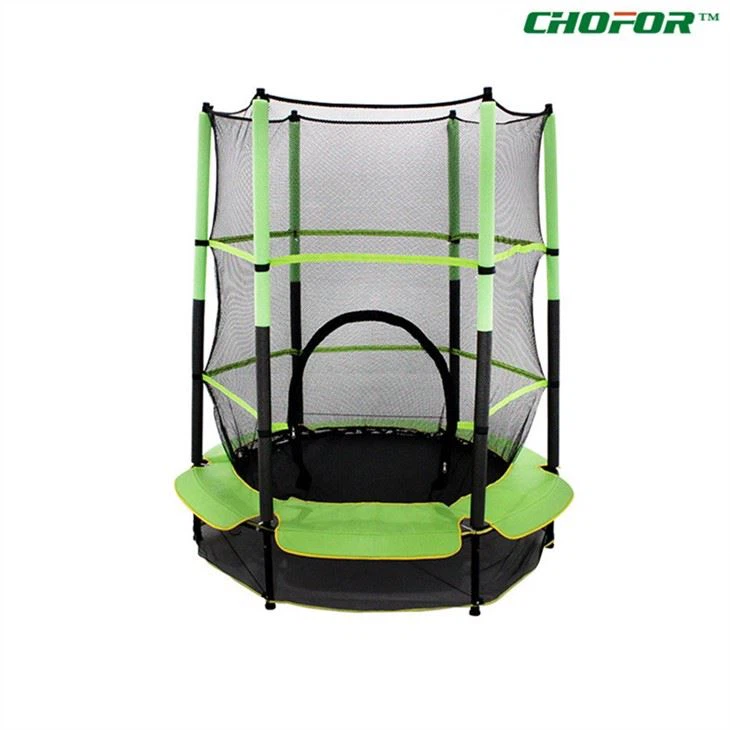
First and foremost, you want to choose a trampoline that has a high-quality matt or pad around the exterior edge. These mats or pads provide an extra layer of safety if you happen to jump or land too close to the edge of the trampoline.

02
High-Impact Netting
In order for a trampoline to be safe, you'll also want to ensure that it has high-impact netting around the exterior. This netting should extend high enough that you will be kept safely on the trampoline even if they lose control momentarily and bounce into the netting.

03
A Safety Doorway
These doorways can come in several different options. You'll find both safety enclosure doorways equipped with a zipper that can be closed after your child gets on the trampoline as well as overlapping doorways that automatically create a safe closure after the child enters.

04
Durable Frame
Trampolines should also have a sturdy, durable frame made from high-quality materials. Without a durable frame, people can easily be hurt.
Benefits of Trampoline Workout
Builds Strength: Unlike targeted training, jumping requires the use of multiple muscles. All of that up-and-down works everything from your abs and glutes to your leg and back muscles, building a strong core and beyond.
Improves Bone Density: One study found that competitive trampolinists had higher bone density at the hip and spine than their peers. The data suggests that regular trampolining can help strengthen your bones, which lessens your chances of osteoporosis.
Betters Your Balance: As people age, so do their bones, which become more fragile and susceptible to injury. Regular trampoline jumping can help improve bone density, particularly in the hips and spine, which can lead to better levels of balance.
Good for Your Heart: Cardio activity strengthens the heart muscles and decreases the amount of work your body has to do to pump blood. This can lower your resting heart rate, cholesterol levels, and triglyceride levels.
5. Relieves Stress: In general, jumping on a trampoline is associated with stress relief because it releases endorphins - natural substances that help you feel better and maintain a positive attitude.
The Components of Trampoline
Springs
The springs are what gives the trampoline bounce, not the canvas surface. Despite what many people think, the springs are responsible for the exertion you feel when you are launched into the air.
Tubing
Tubing is used to make the frame and legs of the trampoline. As you have seen, there is a large range of trampolines sizes, from personal fitness trampolines to large indoor trampolines. Depending on the purpose of the trampoline, the tubing will be cut in different sizes.
Safety Pads
These pads are placed over the springs, as well as the frame. They are constructed with vinyl covers and filled with plush foam. Depending on the manufacturer and the purpose of the trampoline, the foam can have different densities.
Canvas Fabric
The canvas fabric covers the top of the trampoline. This covering, sometimes called a "jumping mat" is made of woven fibers. Thousands of polyethylene or nylon fibers are knit together to form a flat sheet of canvas. This canvas is then attached to the frame.
● Set it up in the proper location
● Follow the manual
● Check your trampoline before every use
● No shoes and jewellery
● Remember the weight limit
● Stay in the center of the jumping mat
● Keep your trampoline clean and clear
● Perform proper seasonal care
● Replace parts when needed
Precautions for Using Trampoline
● Children age 5 and under should not be permitted on a trampoline.
● Provide adult supervision and adult spotters around the edge of the trampoline.
● Never allow more than 1 person to jump at a time.
● Do not permit gymnastic exercises or stunts, such as somersaults or flips.
● Never allow children to bounce off the trampoline. Encourage them to stop bouncing, walk to the edge, sit and slide off.
● To prevent young children from getting on without supervision, do not leave a ladder or chair near the trampoline.
● Never permit children to play on a wet trampoline.
Our Certificates
All our products can pass international certificates test. We have CE, ROHS, ISO9001, EN957 etc. If you need any certificate, please contact us.

Ultimate FAQ Guide to Trampoline
Q: How do you describe trampoline?
Q: What is a trampoline for kids?
Q: Why do people use trampolines?
Q: What is used in trampoline?
Q: What is trampoline fitness called?
Q: Why is trampoline healthy?
Q: Who should not use a trampoline?
Q: Is trampoline good for weight loss?
Q: Is trampoline good for knees?
Q: What are the pros and cons of trampoline exercise?
Q: Is trampoline a good exercise?
Q: How long should I trampoline for?
Q: Is 12 too old for a trampoline?
Q: Is trampoline good for lungs?
Q: Is walking or trampoline better?
Q: Can you lose belly fat on trampoline?
Q: Why do my knees hurt after trampolining?
Q: Is it good to jump on a trampoline everyday?
Q: What is the weight limit for a trampoline?
Q: Is it good to jump on a trampoline in the morning?
We're well-known as one of the leading trampoline manufacturers and suppliers in China. We warmly welcome you to wholesale high quality trampoline for sale here from our factory. For customized service, contact us now.