What Are The Differences Between Commercial And Home Spin Bikes
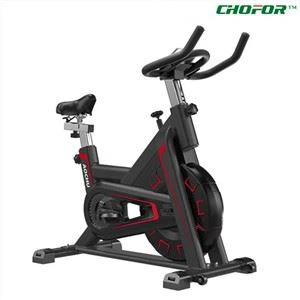
Spinning bikes are more common aerobic exercise equipment, and weight loss is not boring. In fact, it can be divided into household and commercial use, so apart from the difference in the place of use, what are the differences between the two?
1. Different flywheel weight
The flywheels of commercial spinning bikes are generally made large enough. In order to obtain a good exercise experience, most of them are above 10 kg, taking into account the fitness needs of different groups of people. There are many options for the weight of the flywheel of a domestic spinning bike, generally between 8-20 kg.
2. Different body size
Commercial spinning bikes are generally more metallic and larger in size, and generally only consider ergonomic optimization. They have a rough shape and match the overall structure of the gym to meet the needs of bodybuilders of different heights. Household spinning bikes still need to consider home space, focusing on not occupying space, and emphasizing compactness and convenience.

3. Different body material
Commercial spin bikes range in weight, ranging from 40 to 60 kilograms, and some weigh more than 60 kilograms. The frame and materials are made of metal, and all parts are also made very strong and not easily damaged. Household spin bikes use light and thin materials. Considering the convenience of the family, they have been optimized in terms of weight, volume and appearance. The weight of the bike is basically below 40 kg.
4. Resistance adjustment is different.
Commercial spinning bicycles are mainly ordinary flywheel bicycles, and the resistance adjustment method usually uses brake pads to adjust the resistance. For home use, a magnet-controlled spinning bike is more of a choice, no noise, and more comfortable and smooth riding.

Exercise requires persistence, so don't give up your fitness halfway! The above is about the differences between domestic spinning bikes and commercial spinning bikes.